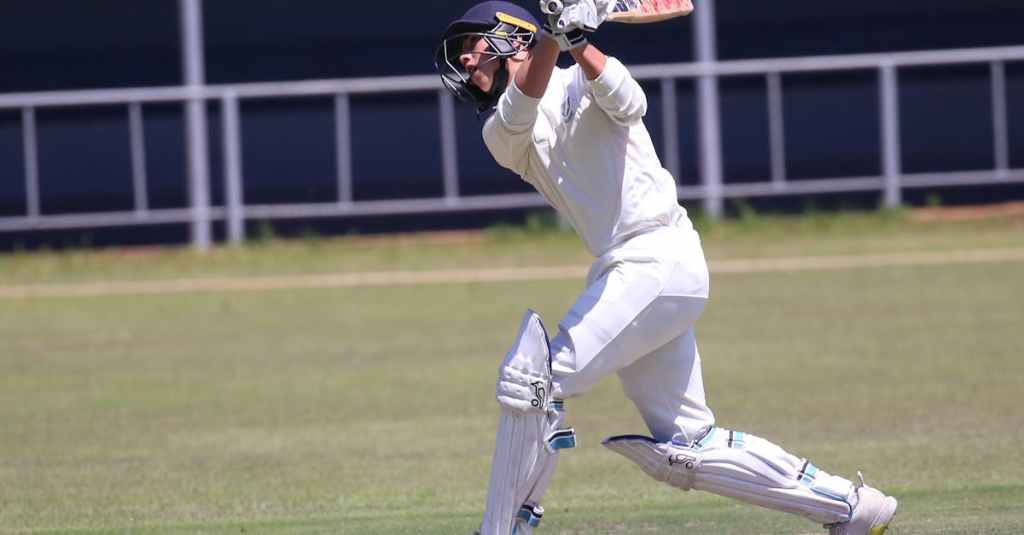
Delhi Capitals’ opener KL Rahul has muscled his way into the Orange Cap conversation with a performance that’s been ekdum sahi this season. With 477 runs from 12 innings at a strike rate of 177.98, Rahul’s now sitting at No. 2 on the run-scoring table, just behind whoever’s leading the charge. That strike rate alone tells you everything: the man’s not just accumulating runs, he’s attacking from ball one.
What makes this climb particularly interesting is the manner of Rahul’s ascent. In T20 cricket, especially in the IPL, opening the batting at a strike rate above 170 is a luxury most teams dream about. Rahul’s averaging nearly 40 runs per innings while maintaining that aggressive tempo, which is the kind of balance that separates the good from the genuinely elite. He’s not slogging blindly either; there’s method to the chaos.
The Orange Cap Race Heats Up
The Orange Cap table this season reflects the brutal nature of modern T20 batting. Fifty-plus run innings are becoming the bare minimum for top-order batters, and Rahul’s sitting comfortably in that space. The IPL 2026 standings show just how competitive the run-scoring race has become, with multiple players capable of leapfrogging each other on any given match day.
Delhi Capitals, meanwhile, will be thrilled to have an opener of Rahul’s calibre firing on all cylinders. In a tournament where powerplay batting can make or break a team’s entire campaign, having someone who can convert starts into substantial scores while keeping the scoreboard ticking is invaluable. His aggressive approach also relieves pressure on the middle order, allowing them to bat freely without needing to force the issue immediately.
The real test for Rahul will be maintaining this form through the business end of the tournament. Strike rates can be fluky over small sample sizes, but 12 innings is enough to suggest this isn’t a hot patch. If he can sustain this trajectory, the Orange Cap conversation could get very interesting indeed, and Delhi’s playoff hopes will look considerably brighter.
 Cricket Masala
Leave a comment