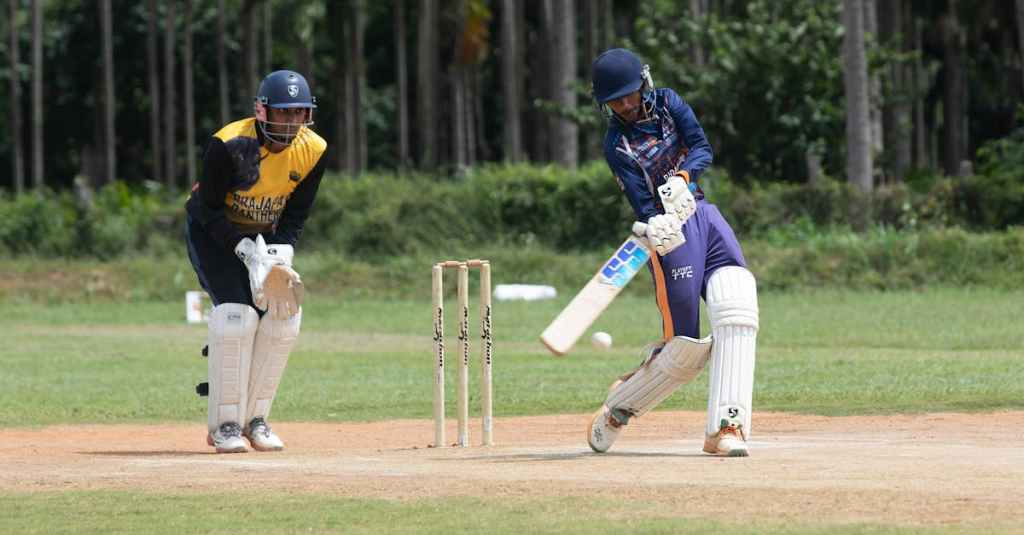
Nazimul Hasan Shanto doesn’t do timid cricket. The Bangladesh captain’s decision to declare during a Test match—a move that’s become rarer than a spinner taking five in the powerplay—reveals a captain willing to back his instincts even when the scoreboard suggests caution. In a sport where safety is often the default, Shanto’s willingness to take calculated risks marks a shift in how Bangladesh approaches the longest format.
What makes the declaration interesting isn’t just the boldness of the call itself. Shanto openly acknowledged that his team hadn’t fully capitalised on the platform they’d built. His own century in the first innings could’ve been bigger, yaar—a chance to turn individual brilliance into match-defining dominance that got away. That kind of self-awareness from a captain is ekdum sahi. It shows he’s not just thinking about the next session; he’s thinking about what Bangladesh could’ve been and what they still might become.
Calculated Risk in Test Cricket’s Cautious Era
Test cricket in 2026 has become increasingly defensive. Teams bat deep, bat long, and bat safe. Declarations—once a captain’s prerogative to shape a match—have fallen out of favour. Shanto’s choice to declare suggests Bangladesh believes in the power of intent. Whether it was a declaration born from confidence in the bowling attack or a recognition that the pitch was offering something to the quicker bowlers, the message was clear: this team wants to win, not just avoid losing.
The regret about not converting his century into something larger speaks to a captain who measures success by margins, not just by survival. A hundred is a milestone; 180 is a statement. Shanto’s reflection on that gap shows he understands the difference between a good Test match and a dominant one. That’s the thinking of a leader trying to build a winning culture in a team still finding its feet at the highest level.
Bangladesh cricket has spent years fighting for respect on the international stage. Declarations like this, backed by honest post-match analysis, suggest the team is moving beyond merely competitive to genuinely ambitious. Shanto’s willingness to take brave decisions—and to own the ones that don’t work out—may well define how Bangladesh performs in the years ahead.


Leave a Reply