Sri Lanka Cricket has a new committee. And the ICC isn’t quite sure what to make of it yet.
Sri Lanka’s Government-Backed Overhaul
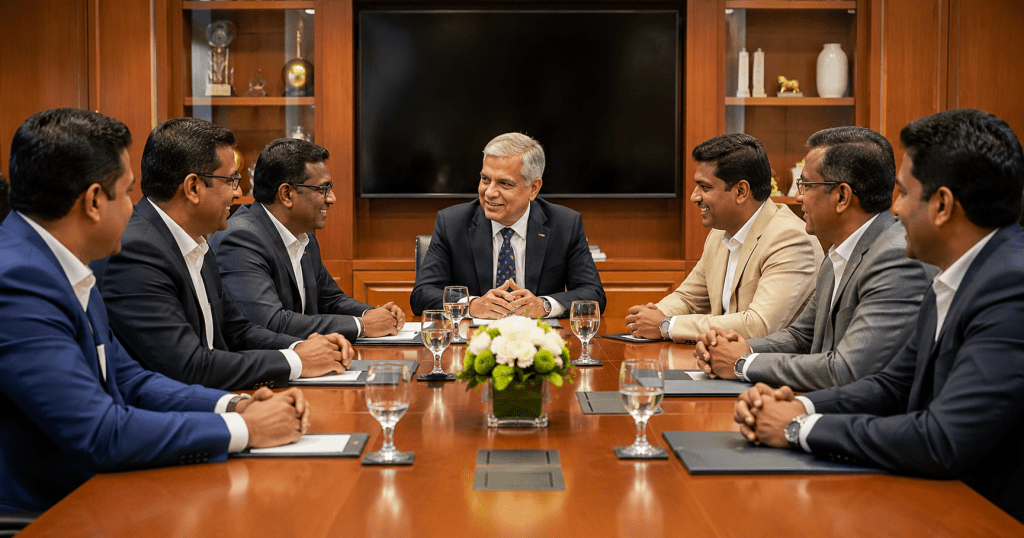
Imran Khwaja, the ICC’s deputy chair, spent several days in Sri Lanka last week. He met with the new SLC transformation committee — nine members installed by President Anura Kumara Dissanayake’s government after the previous board was ousted. By one committee member’s account, the conversations were “cordial and constructive.” Khwaja also sat down with the president himself. The ICC has stayed quiet publicly. No statement, no verdict.
A History of Suspensions That’s Hard to Ignore
Thing is, this story has run before. In 2023, SLC was suspended for “extensive government interference.” Back in 2015, the ICC froze payments after another government-appointed interim committee took over. The pattern’s familiar enough that the ICC’s caution here is hard to argue with. Take Zimbabwe Cricket — suspended by the ICC in 2019 after their sports ministry dissolved the board and installed a caretaker committee. It took months of negotiations, a restructured constitution, and demonstrable elections before Zimbabwe regained Full Member status. They lost hosting rights and bilateral series in the meantime. Not a minor setback.
Why This Committee Feels Different — At Least on Paper
But the names matter this time. Kumar Sangakkara and Roshan Mahanama sit on the nine-member panel alongside Sidath Wettimuny. These aren’t obscure political figures! Still, the majority of members come from corporate, legal, and political backgrounds. Former MP Eran Wickramaratne chairs the whole operation.
What the Committee Says It Actually Wants
The official line is narrow enough and time-limited — overhaul SLC’s outdated constitution, then hand power to a properly elected board. Wettimuny’s framing after the April 30 unveiling was deliberate: a “robust, modern foundation for the sport,” not a permanent grip on administration.
The ICC’s Criteria for Full Member Status
The ICC’s rules on government interference exist because cricket boards need independence from government. Whether this committee passes that test depends on what it says less than on whether it steps aside once elections happen. Cricket South Africa ran into a version of this in 2011, when the government-aligned Sports Confederation sought direct oversight of board appointments. The ICC gave CSA a firm deadline to demonstrate autonomous governance — specifically, which elected cricket officials, not ministry appointees, held final authority over selection and financial decisions. CSA complied, narrowly. The episode became a reference point for what “structural separation” has to look like in practise.
A Familiar Crossroads for Sri Lanka Cricket
The question isn’t whether the committee’s intentions are good. It’s whether the ICC sees enough structural separation between government will and cricket governance to let SLC keep its Full Member standing. The 2023 suspension cost Sri Lanka real money and real credibility; India canceled a planned white-ball series that year, and several associate sponsors paused contracts pending resolution. Another one would hit harder.


Leave a Reply